
sandblasted glass designs for doors
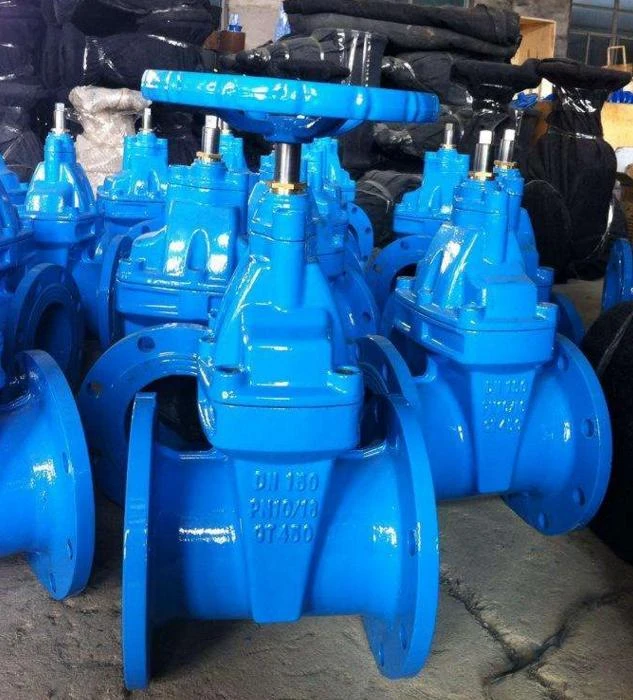
How to Turn Off the Water Valve A Step-by-Step Guide Turning off the water valve is an essential skill for homeowners and renters alike. Whether you’re facing a plumbing emergency, conducting repairs, or simply needing to do some routine maintenance, knowing how to properly shut off your water supply can save you time, money, and potential damage to your property. In this article, we'll explore the importance of turning off the water valve, the different types of water valves, and provide you with step-by-step instructions to ensure you can effectively turn off your water supply when needed. Why You May Need to Turn Off the Water Valve There are several scenarios that may require you to turn off your water valve 1. Plumbing Emergencies If you experience a burst pipe or a major leak, shutting off the water supply immediately can minimize water damage and reduce repair costs. 2. Home Repairs When repairing or replacing faucets, toilets, or water heaters, it’s crucial to turn off the water to prevent unwanted spills. 3. Seasonal Maintenance In colder climates, turning off the water to outdoor hoses and irrigation systems can prevent pipes from freezing and bursting during winter. Types of Water Valves Before you proceed to turn off the water, it’s essential to understand the types of valves you may encounter 1. Main Shut-Off Valve This valve is typically located near where the water line enters your home. It controls the entire water supply to your house. 2. Individual Shut-Off Valves These are often found near toilets, sinks, and other plumbing fixtures. They control the water supply to specific areas or appliances. 3. Angle Stops These valves are usually situated underneath sinks, allowing you to shut off the supply without affecting the rest of the plumbing system. Step-by-Step guide to Turning Off the Water Valve Step 1 Locate the Valve First, determine whether you need to turn off the main shut-off valve or an individual shut-off valve. If you’re addressing a specific plumbing issue, locate the individual valve for that fixture. If there's a major issue, find the main shut-off valve, usually located in the basement, crawl space, or close to the water meter. how to turn off water valve Step 2 Prepare the Area Before you turn off the valve, clear the area around it. Remove any obstacles and ensure you have enough space to work comfortably. It’s also a good idea to have towels or buckets handy in case of any residual water that may leak out once the valve is turned off. Step 3 Turning Off the Valve - For the Main Shut-Off Valve - Most main valves will either be a gate valve (which you turn clockwise) or a ball valve (which you turn perpendicular to the pipe). - If it’s a gate valve, turn it clockwise until it won’t turn anymore. If it’s a ball valve, rotate the handle 90 degrees. - For Individual Shut-Off Valves - Similarly, if it's a gate valve, turn it clockwise. If it’s a ball valve, turn the handle perpendicular to the pipe. Step 4 Check if the Water is Off Once you’ve turned off the valve, check to see if any water is still running from the faucets or fixtures. Turn on the nearest faucet to ensure that water flow has stopped. If water continues to flow, double-check that the valve is turned fully closed. Step 5 Proceed with Caution After confirming the water is off, you can proceed with your repairs or maintenance. Keep in mind that some plumbing systems may hold residual water, so be prepared for minor spills. Conclusion Knowing how to turn off the water valve is a fundamental skill that every homeowner should master. It empowers you to take swift action during plumbing emergencies, facilitate repairs, and perform household maintenance with confidence. By following the steps outlined above, you’ll be well-equipped to manage your home’s plumbing system effectively. Remember to check your valves regularly for any signs of wear and tear, as maintaining your plumbing system can prevent issues before they arise.
about
sandblasted glass designs for doors
a one way check valve .
-

High quality industrial productsagement

High quality industrial products
View Details -

Meet the diverse needs of customers

Meet the diverse needs of customers
View Details -

Strict quality control

Strict quality control
View Details -

Top raw materials

Top raw materials
View Details -

Trusted supplier

Trusted supplier
View Details
Our application


news and information
Versatile Clamps for Securely Holding Workpieces on Welding Tables
The Essential Guide to Welding Table Clamps Welding is an integral part of various industries, from

Y Type Strainer Cost Comparison and Market Insights for 2023
Understanding the Price Dynamics of Y Type Strainers Y type strainers are essential components in a
Vibration Dampening Pads for Industrial Machinery and Equipment in Heavy Applications
Vibration Damping Pads for Heavy Machinery An Essential Component for Performance and Longevity In t
 English